

THE NEED IS GREAT
THE PROBLEM WE ARE ADDRESSING
Children and young people in Central America face a perilous environment shaped by violence, poverty, and limited opportunities—conditions that make gangs like Mara Salvatrucha and Barrio 18 powerful forces in their lives.
This is the current reality:
- Persistent Violent Crime: In 2023, Guatemala’s homicide rate remained high at 16.7 per 100,000 people, with minimal decline predicted into 2024, illustrating an enduring climate of violence. Youth aged 15–24 represent the largest group impacted: over 80% of homicide victims are male youth, indicating gangs and organised crime disproportionately affect young men.
- Widespread Gang Recruitment of Children: Gangs are actively recruiting increasingly younger members. Police estimate over 400 active gangs across Guatemala, with 14,000+ members, many under 18, some as young as 8, serving as lookouts or runners.
- Youth Escalation into Violent Roles: Children are not just foot soldiers—they are being used in serious crimes. A 2014 surge in youth homicide arrests (36 minors charged between Jan–Mar, up 620% vs. the prior year) demonstrates how gangs escalate youth involvement into violent roles.
- Violence in Urban “Red Zones”: In Guatemala City’s most dangerous zones, forensic data show 680 autopsies between Aug–Nov 2023; 246 of homicide victims were ages 15–19, and 509 were 20–24—evidence of how youth find themselves directly in the crosshairs.
- In 2023, Honduras had one of the highest homicide rates in Latin America, at 35.8 per 100,000 people.
- Nearly 50% of the population lives below the poverty line in Honduras, with urban youth particularly at risk.
- UNICEF and other agencies estimate hundreds of children in Honduras are living or working on the streets, with many exposed to sexual exploitation, trafficking, and gang violence.
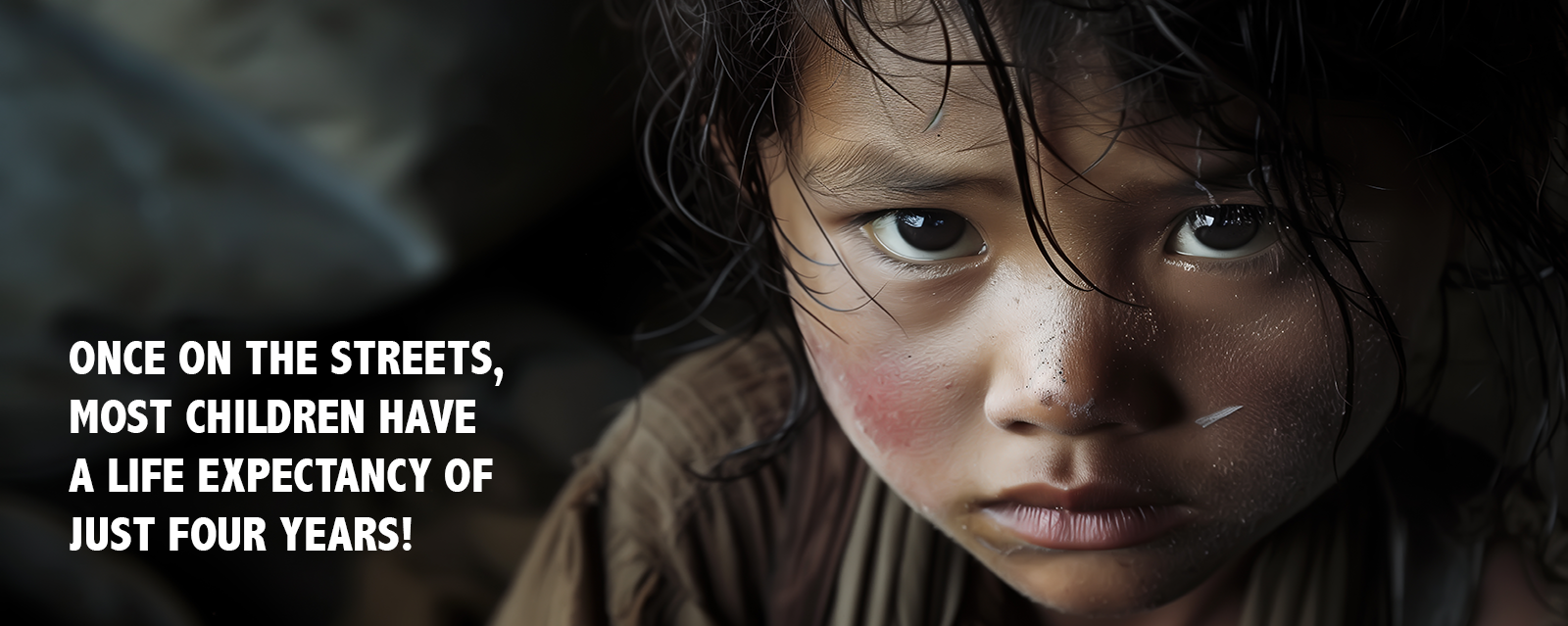
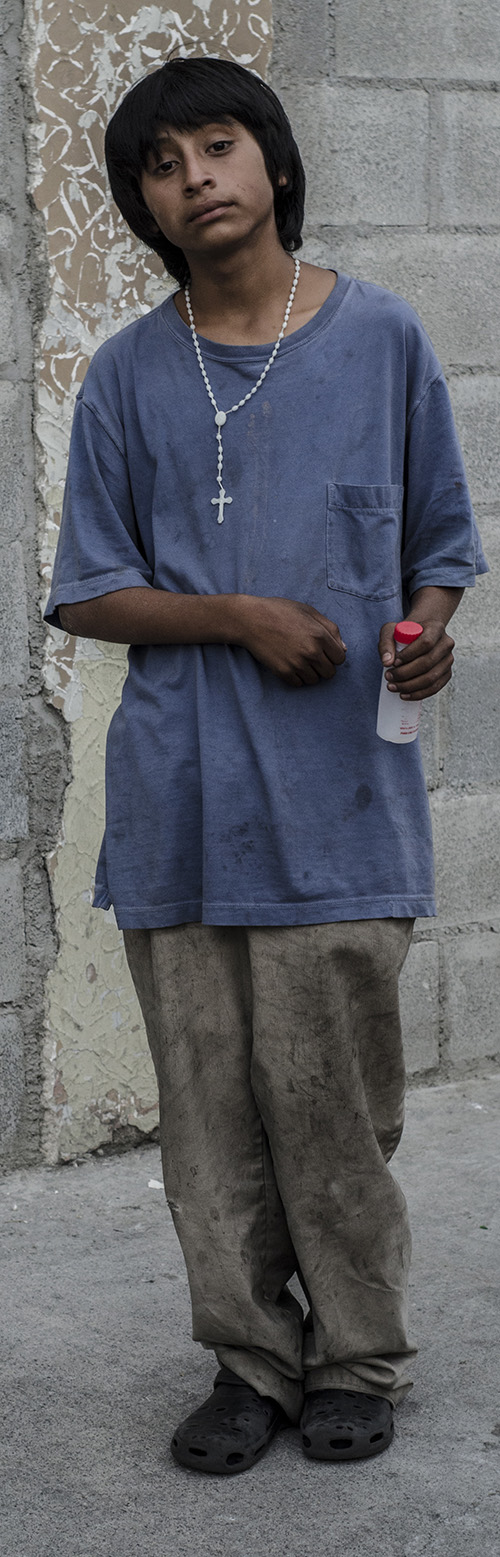
While many children are recruited into gangs, a significant number make a different—but equally perilous—choice: to live on the streets. Faced with violence at home, poverty, or neglect, some children view street life as a form of escape, independence, or even survival. But this path often leads to chronic exposure to exploitation, substance abuse, trafficking, and untreated trauma.
Guatemala City and other urban areas have seen a troubling rise in children at-risk of street life. Driven by domestic violence, abandonment, extreme poverty, or neglect, some children see the streets as a refuge, a place of escape or independence. But this path leads to exploitation, abuse, substance dependency, trafficking, and deep psychological trauma.
For many of these children, gangs are not the first risk—they are the second. "Street life" erodes their resilience and options, making them more vulnerable to eventual gang involvement, drug dependency, or long-term homelessness. The earlier these children can be reached with safety, structure, and consistent mentorship, the more likely they are to exit this cycle before deeper harm occurs.
Underlying factors deepen the crisis: chronic poverty, systemic inequity, and poor access to education. Fewer than 20% of youth aged 15–24 consistently complete secondary education. This lack of future prospects drives children toward gangs or the streets in search of income, identity, and belonging.
At the same time, local institutions are struggling. Schools, social services, and law enforcement lack capacity for early, consistent intervention, leaving youth to fall through the cracks until a crisis occurs. With thousands of children vulnerable to gang influence or street life from as early as age 8, there is an urgent need for structured, daily, preventative support before harmful behaviours and allegiances escalate.
HEADER PHOTO THANKS TO VECTEEZY