By Peter Silverman, 23rd September 2026
I have been friends with Duncan Dyason for over 10 years – a decade during which our interactions have been a constant mixture of childishness and sarcasm, interspersed with the occasional serious conversation. When he asked me if I would like to help with his new project to investigate street living globally, I could only say yes.
The trip to Central America was planned: a week with SKD, then Mr Dyason and I travelling to San Salvador to see how governmental and non-governmental organisations dealt with the issues of street life among the children there.
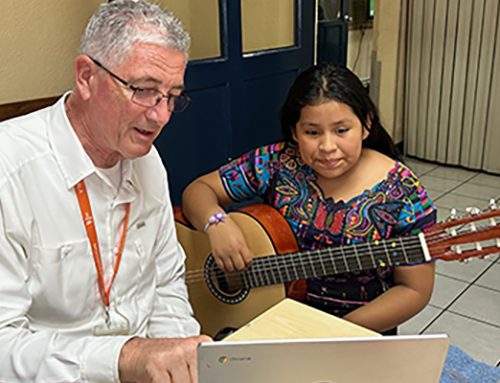
Week one reminded me how much joy, as well as need, there was in Guatemala City, and the incredible love and care provided by all the organisations SKD supports. Frank, the SKDGuatemala Director, took me to visit the three amazing projects they have for the kids. In each one, they are given space to be ‘kids’, away from the working lives so many of them have. They are offered help and equipment for schoolwork; they are given good food to eat and, most importantly, they are shown complete love and care by all the adult helpers.
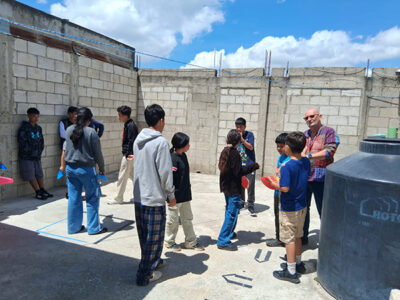
The first project was in the mountains in Santa Faz, and Paula treats those kids as if they were her own. On a roof made of cinder blocks, with a huge water tank in the way, and with a masking tape grid laid out for giant noughts & crosses, they played as happily and joyfully as I’ve ever witnessed any child play at a massive theme park.
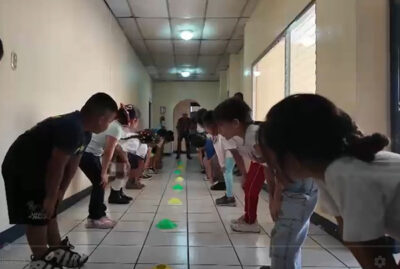 We drove through the Mario Kart traffic to get to the centre at La Terminal, an area notorious (as well as nefarious) for extortion, drugs and prostitution. Above the health clinic, SKD Guatemala now rents rooms where the kids living there can come in, play games, do craft activities, eat, have company, have fun, and be completely safe. Juan Carlos and Vilma are in charge here, and the kids couldn’t look happier to see them when they came in. It is smack bang in the middle of La Terminal, so the windows are barred, and it would be like a furnace without the industrial-sized fans scattered about (no AC here!). The laughter and utter joy these kids show is awe-inspiring. Later, I saw several of them working on stalls nearby, but for the time they were at the centre, they could just be the young children that they were.
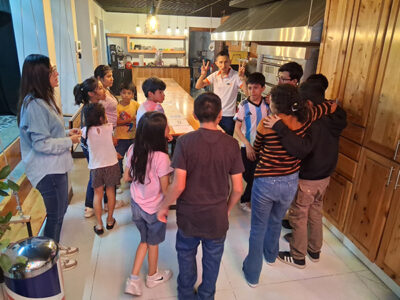 Last stop was the group meeting at Centro Opp in Zone 11 (where I was staying). The place has been totally transformed from when I was there 7 years ago. Alex runs that group and, no surprise, the same level of love, care and utter happiness pervaded every minute the kids were there. I kept thinking that this must be the inexpressible joy St Peter wrote about in the scriptures.
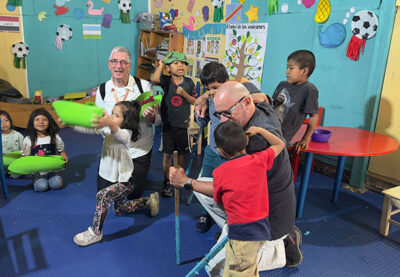 Later that week, Dunc took me to visit the projects Door of Hope runs for children and families. Jomara established the organisation some time ago, against a backdrop of prejudice, resistance and, in some cases, hostility. Despite all this, there is now another haven at La Terminal where the kids can do schoolwork, play games, shower, and use the toilets (with proper locking doors). In an area where running water and toilet cubicles are virtually non-existent, it’s a veritable oasis for them.
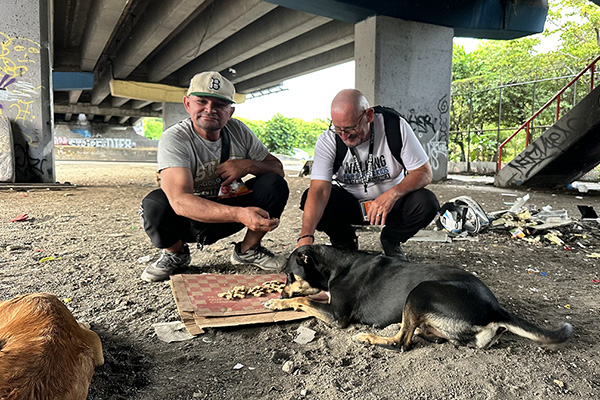
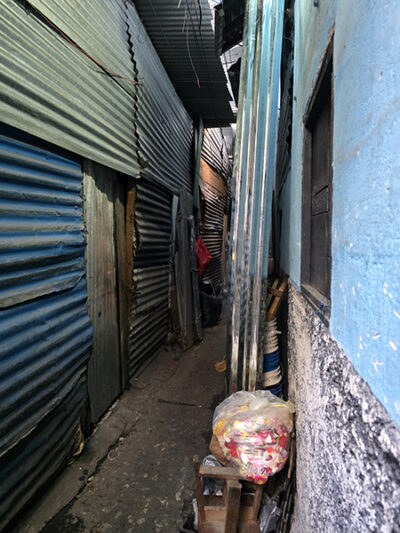 We headed out for a walk around La Terminal one afternoon, just to chat with people and see how life was going there. When you move from the sprawling market selling everything from Avocados to headphones, you end up down a labyrinth of narrow alleyways, created by all the tiny, corrugated iron buildings that people live in. Dunc stood and listened to one lady, who tearfully told him how desperate she felt there, worrying about her son’s drug habit and how this could lead him to the gangs.
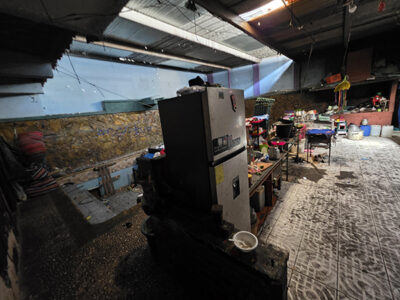 We met one of the lads I’d seen at the SKD centre, Anthony. His home was in what must have been, at one time, a massive and sumptuous private house. It was now overrun with rats and mosquitoes, and their few possessions were in what, almost ironically, obviously used to be the indoor swimming pool area. Despite all this, like all the parents I met there, they do everything to keep their children fed, clean, dressed as well as they can and ultimately, safe. Anthony’s Mum explained that the area was now far safer than it had been when I last visited 7 years ago, as, somewhat paradoxically, the contract killer gang (the inappropriately named ‘Angels’) had taken control at La Terminal, so petty thefts and assaults were far rarer now.
During the second week, Dunc and I travelled to El Salvador to see street life firsthand. In the late 90s, Salvadoran refugees in the US had formed street gangs like MS-13 and Barrio 18. Thousands were deported back to El Salvador and, back home, they started turf wars, extortion, contract killings, etc., making El Salvador the ‘murder capital of the world’ by the mid 2010s. I knew it might be a dangerous trip, not least because I would be travelling for 5 hours at the mercy of Mr Dyason behind the wheel – a man with the driving style of an unlicensed cabbie, getaway driver and Mr Magoo! Dunc has written a brilliant blog on the trip, so I won’t add too much to that. https://streetkidsdirect.org.uk/blogs/director-blogs/a-country-reclaimed/
As Duncan mentioned, we did walk the streets outside the pomp and glamour of the city centre to see how different life was there. Yes, it did look like the ‘old’ El Salvador but, as the people kept explaining, the violence and fear that were part of everyday life had largely disappeared. We were determined to go to Soyapango, an area where the gang leaders and their families lived. We were told the police stations would close their doors at 6pm (as did the local populace), and the area was then just left for the gangs to sort out their issues in whatever way they saw fit.
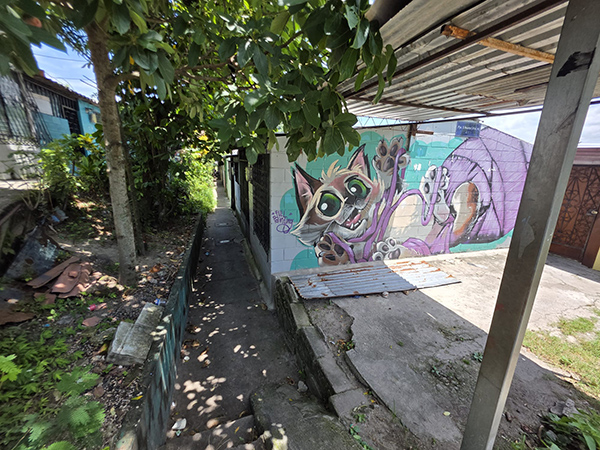 We arrived in a place with a large school, swings and roundabouts for the kids to play on, shops open and a bus depot at the end. Admittedly, we didn’t see too many people wandering around, but it wasn’t what we had expected at all. Duncan (being Duncan!), headed straight into the police station to ask about the transformation. Of course, they were suspicious of who two gringos were asking these things, but they eventually told us the families there were still those from the gangs, and that aunts and uncles had often stepped in to look after the kids left behind when the gang members were all rounded up and imprisoned just a few years ago. It seemed that their President, Nayib Bukele, had been true to his word and catered for those left behind after the mass arrests.
There is still a lot of work to do to get an accurate picture of life in El Salvador, and this new SKD project will return soon with a more specialised team to carry it out.
So how can I describe this last fortnight? It has made me even more determined to stay part of this latest project, to see and learn from what has been done for kids living out on the streets, what still needs to be done, and how we can involve as many incredible people as we know to make it so that, one day, there are no more children having to live on the streets, anywhere!