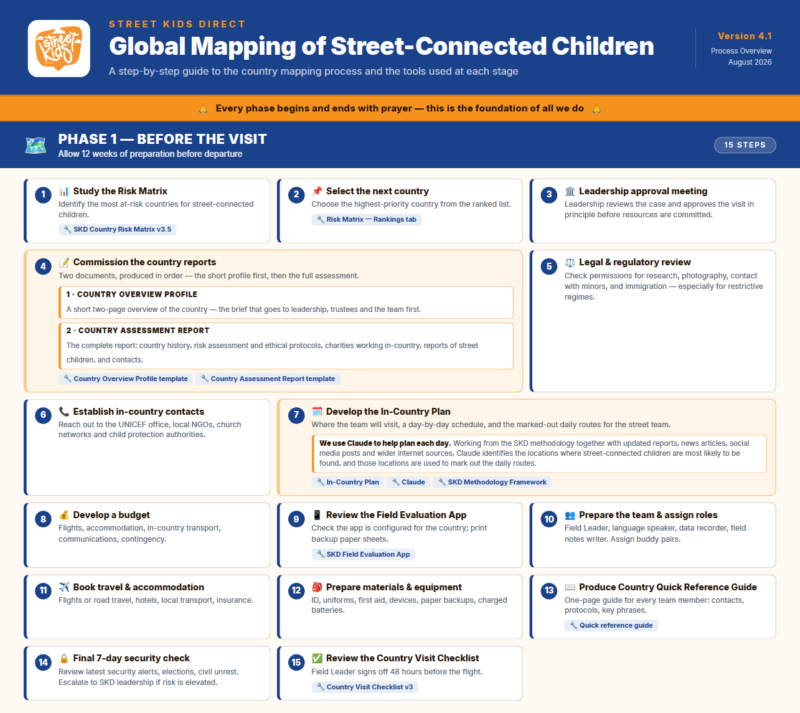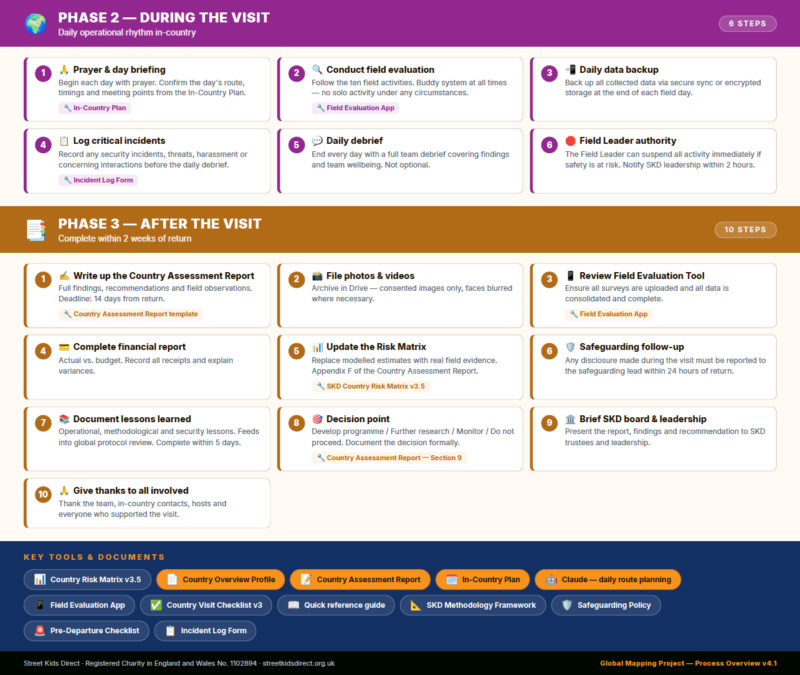
Street Kids Direct exists to reach every street-living child in the world. To achieve this, we must first identify where children are living on the streets, understand who, if anyone, is already working with them, and identify the greatest gaps so that support can be directed where it is needed most.
Having helped map the whereabouts of street-living children in Guatemala since the early 1990s, Street Kids Direct has seen the estimated number of children living on the streets in Guatemala City fall from around 5,000 in 1991 to none today. Building on this experience, we are now expanding our outreach to other countries worldwide. Over the next 3–4 years, volunteers and project partners will use modern technology to identify, count and map street-living children.
We will first identify where street-living children are found and estimate their numbers. We will then map charities, churches, government agencies, and other organisations that work with them. This process will reveal where children are already receiving support, where services overlap, and, most importantly, where children are being overlooked.
As Street Kids Direct carries out this work, we will also seek to build relationships with organisations working directly with street-living children, sharing our experience where appropriate and learning from others. Our vision is simple but ambitious: to help ensure that every street-living child is known, every gap is identified, and together we can move closer to a world where no child has to call the street home.
Specialist database of vulnerable children helps coordinate work and increase the impact
Street Kids Direct have partnered with Neighbor Solutions, who have created a unique database programme and app that helps staff and volunteers keep track of the children in their care.
Most days, the team needs to access children’s records, and often this means retrieving information during emergencies or when offices are closed.
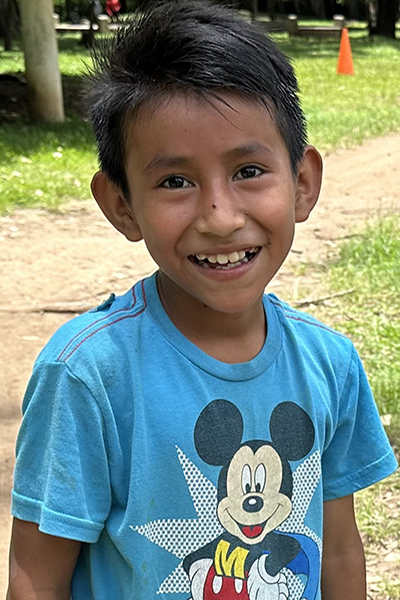
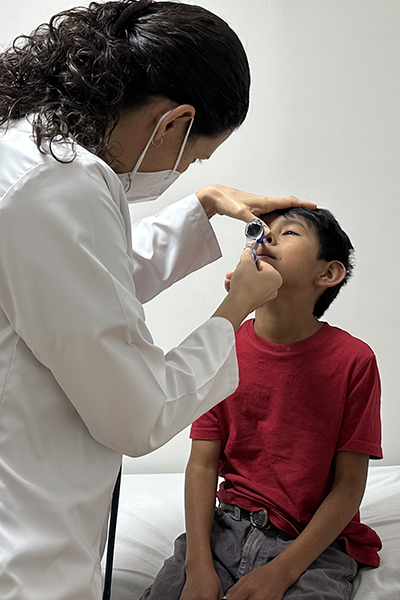
One boy who was recently helped is 10-year-old Denis from Guatemala, who felt very sick with possible Dengue Fever and was haemorrhaging blood. The SKDGuatemala team took him from the tin shack he lives in with his family and rushed him to an emergency clinic, accessing his personal and medical information en route. The information helped process him quickly, and he received the attention and medication he needed. Subsequent checks (photos on the left & above) showed a dramatic improvement in his health, and he is now well enough to return to school and to normal life.
Developing technology to reach more children living on the streets
Street Kids Direct believes that technological advances, together with AI, will help us identify where children are most at risk and in need, and provide a coordinated approach with partners and local and national governments to help children everywhere see the streets as a viable option for life.
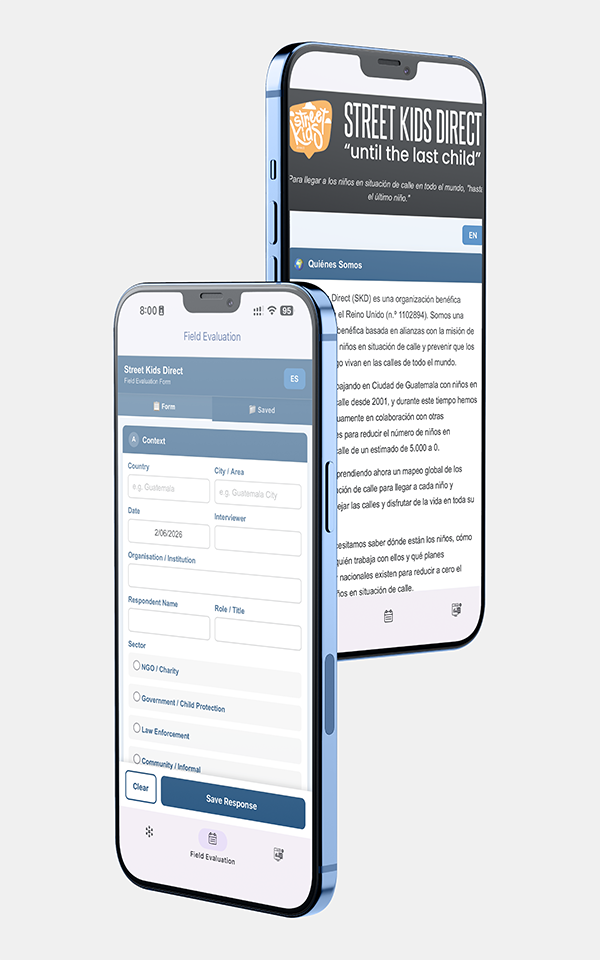
Street Kids Direct has developed an app to help with data collection. The Field Evaluation Tool is available on Google Play and the App Store.
The tool will enable the SKD team and volunteers to collect data during their in-person country visits and upload it to the central SKD database. The data will help us identify where street-living children are and who is working with them.
The Street Kids Direct Risk Evaluation Tool (THE MATRIX) has been developed to help identify the most at-risk countries and places within countries of having street-living children.
Street Kids Direct has a bold vision – to reach every street-living child worldwide.
Our Plans
- Continue mapping the location and estimated number of street-living children in every country.
- Support local organisations already working with street-living children by strengthening their capacity and effectiveness.
- Identify new partners where no outreach exists, helping establish sustainable programmes that reach children currently receiving no support.
- Facilitate local and national networks that bring organisations together to ensure every street-living child is known, supported and accounted for.
- Provide proven tools and resources, including our methodology, training materials, safeguarding procedures, manuals, protocols and operational guidance.
- Promote the use of effective technology, including case management and CRM platforms such as Neighbor Solutions, to help organisations record every child, coordinate care, measure outcomes and demonstrate long-term impact.
- Work alongside local and national governments to strengthen child protection systems and develop practical, coordinated strategies that safeguard vulnerable children.
- Monitor and evaluate progress, measure outcomes, identify emerging needs, and continually refine our approach until every street-living child has the opportunity to leave the streets behind.