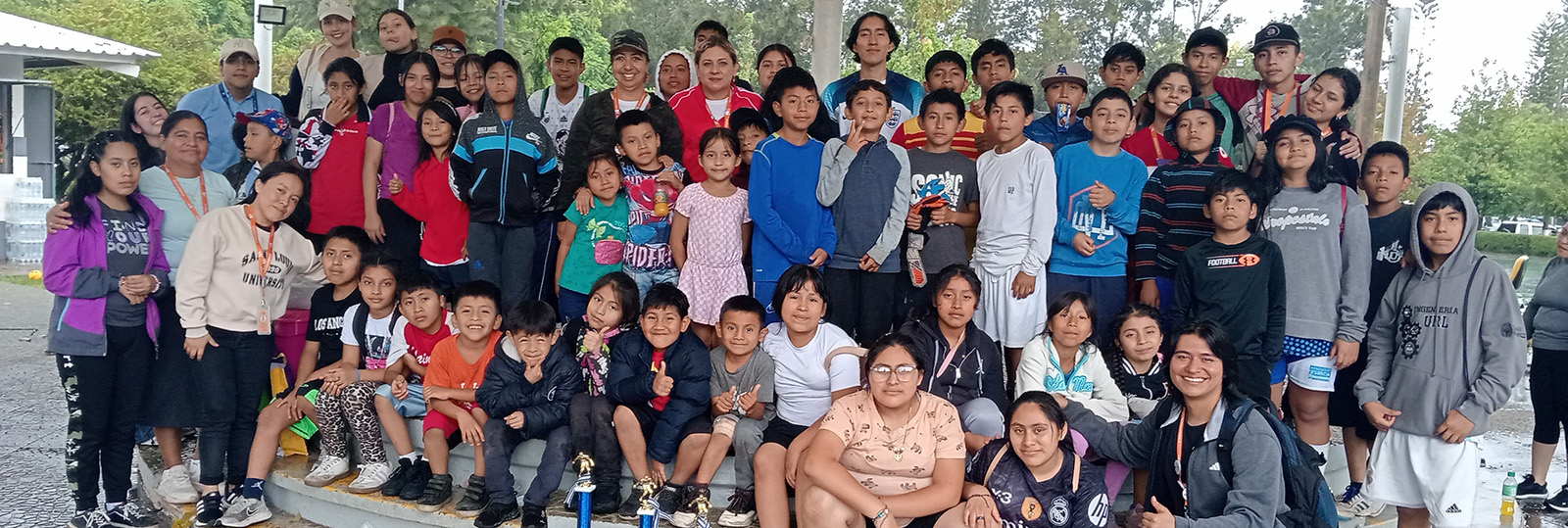
HOW STREET KIDS DIRECT IS MAKING A DIFFERENCE
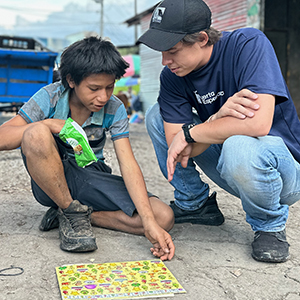
Street Outreach
Meeting at-risk children and youth in the streets is the first point of contact for our teams. This builds trust and helps us explore options to help.
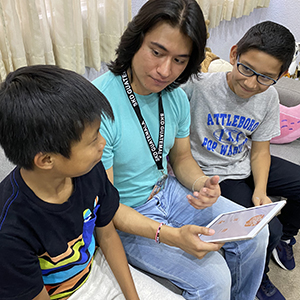
Mentoring
We aim to place a trusted, caring adult mentor in the life of every child at-risk and ensure they regularly attend one of our mentoring centres.
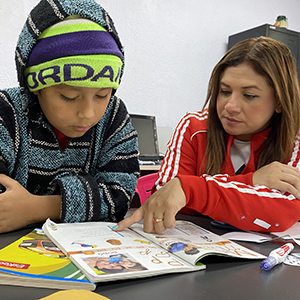
Education
Education is the key to success and our teams support children in school and provide what they need to complete their secondary education.
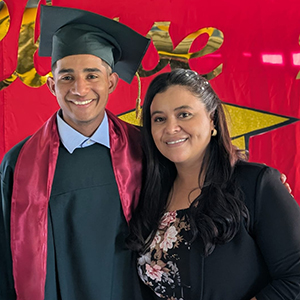
Development
We are committed to the long-term support of the children and work with them develop their confidence, abilities and life skills.
PROJECT PARTNERSHIPS
Working in partnership with local projects is at the core of who we are and how we work. Not only does this make our 100% guarantee possible, but it ensures that work supports local communities, cultures and organisations.
We have four key principles to our partnerships:
RESPECT – HONESTY – RESPONSIBILITY – COMMON VISION.
HOW OUR PARTNERSHIPS WORK
Street Kids Direct is committed to supporting any organisation that works directly with street-living children or children at very high-risk of street life.
The charity comes alongside each of the projects we partner with and supports them with funding and training, and links them with other organisations that could help develop their work further.
OUR FOCUS
Both Street Kids Direct and our local partners work to reach any child living on the streets and to offer practical solutions that help them leave the streets and enjoy life in all its fullness. We also work together to help prevent children and young people from considering life on the streets by providing a strong and effective network of support around them through our specialist mentoring programme.
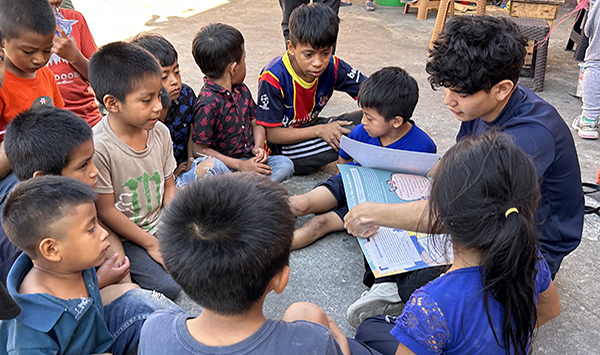
THE NEED
Children who are made homeless or run away from abusive homes, together with the increasing number of children recruited into violent gangs.
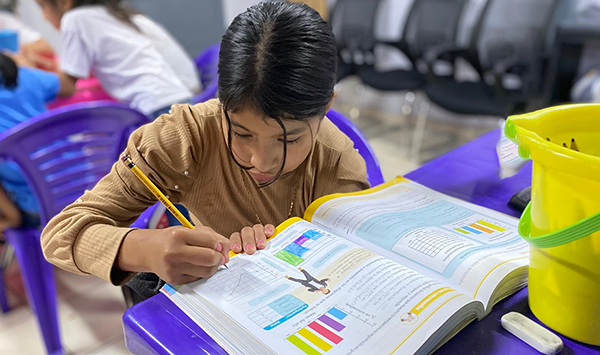
HOW WE HELP
We fund various mentoring centres that are designed to serve as a protective factor for at-risk children, offering them the support they need.
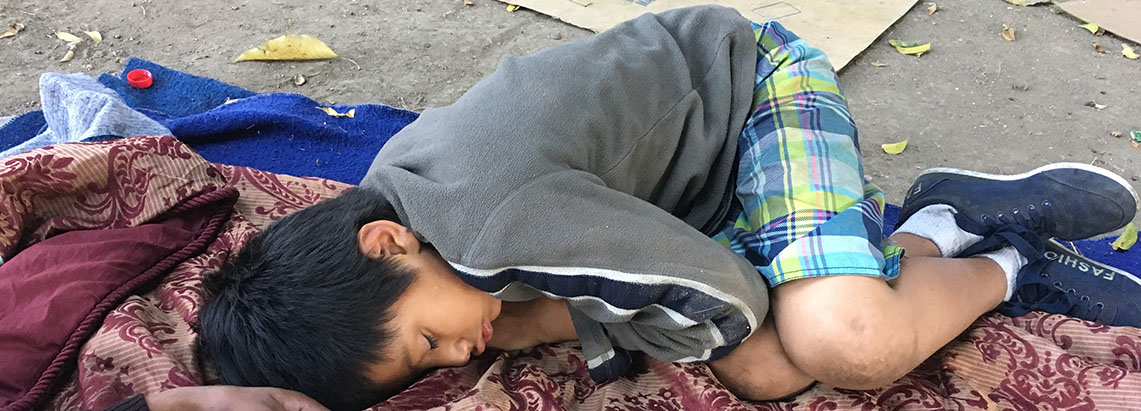
OUTREACH: STREET-LIVING CHILDREN
DEFINING STREET-LIVING CHILDREN
Many at-risk children live on the streets, whilst some may only work on the streets or spend the majority of their time there.
Who are street children?
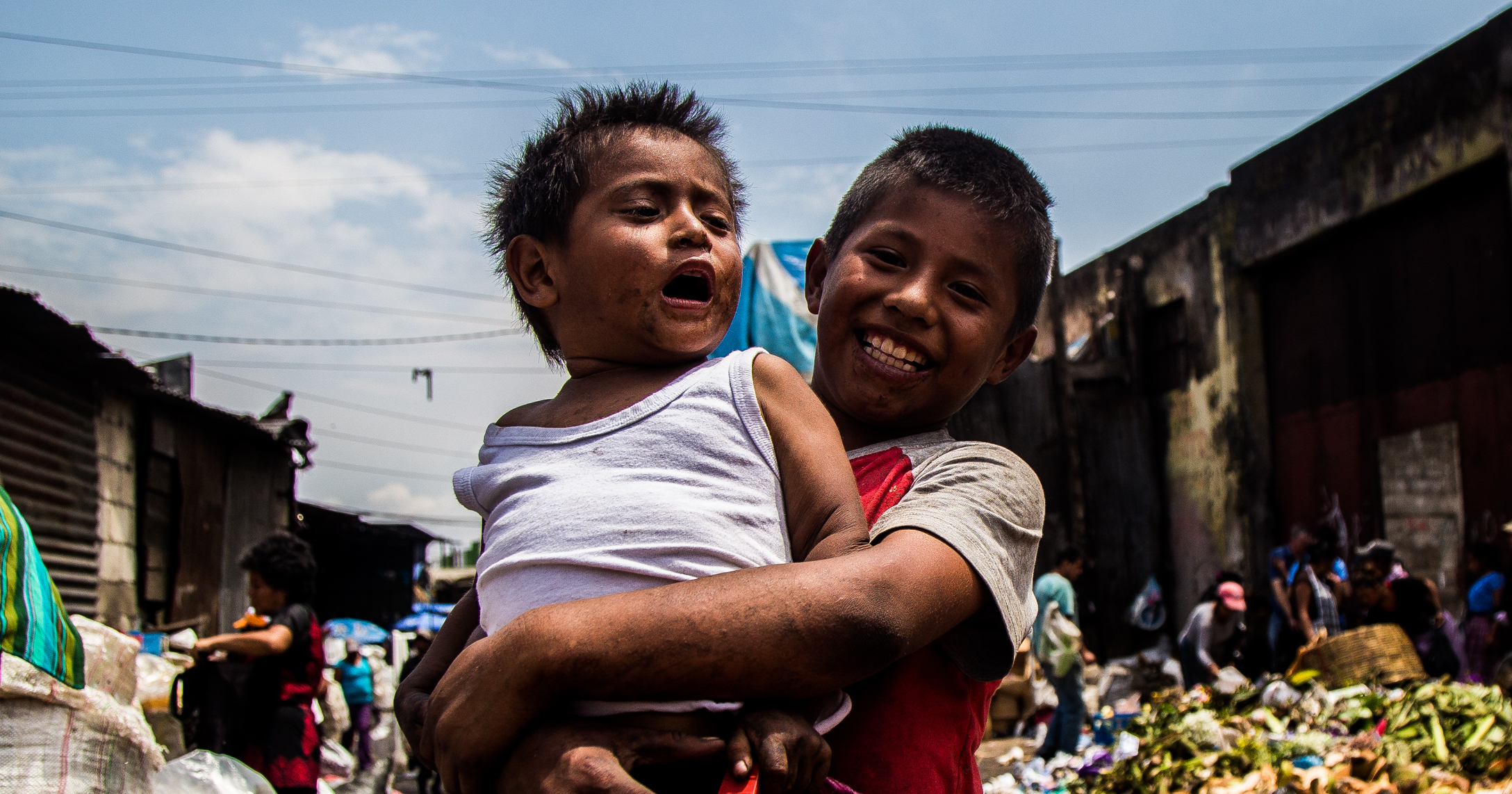
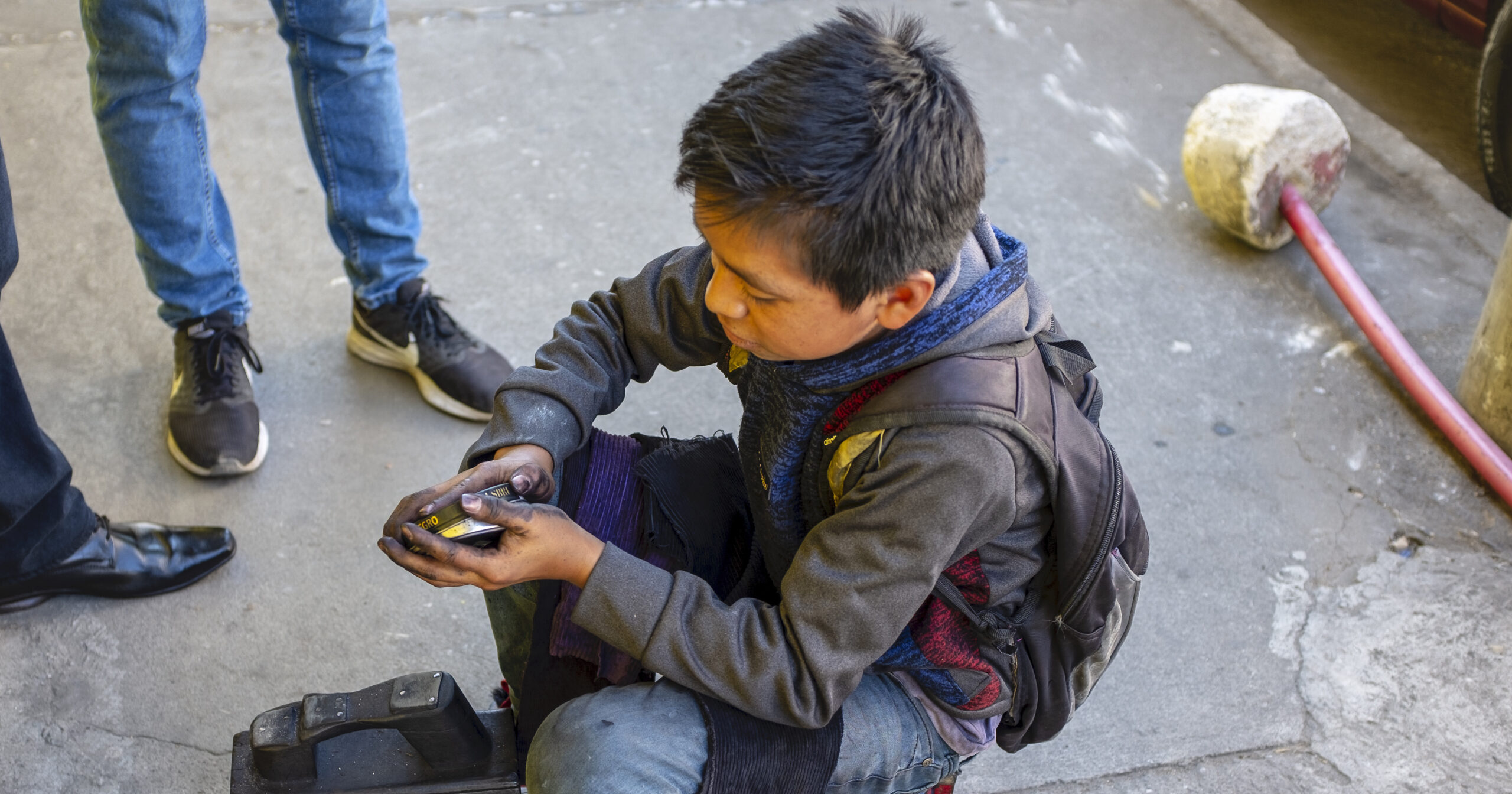
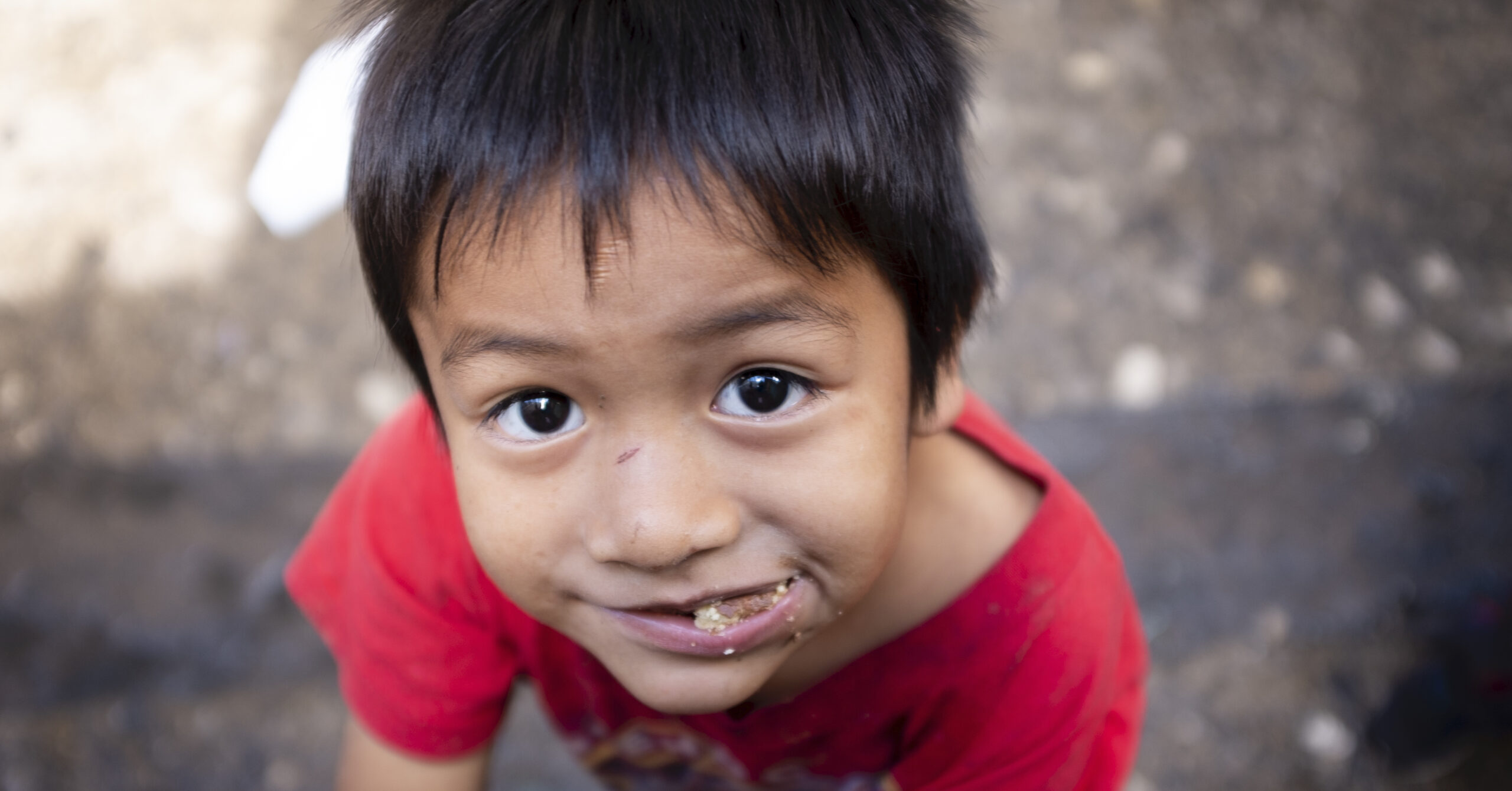
Street children are defined by different organisations as children who live on the streets, children who work on the streets and children who spend the majority of their time on the streets. The children who live on the streets have either been forced to leave their home, a children’s home or have made their own decision to live on the streets rather than at home. Sadly, some children are born on the streets and grow up knowing the street as their only home. Street Kids Direct identifies any child or young person under the age of 18 years who regularly sleeps on the street as a street child. There are also many more children at ‘high risk’ of becoming street children, and these include children who work on the streets, children begging on the streets and children who spend most of their time on the streets because of their family situation or culture.
How many are there?
The truth is, nobody knows. Because street children often change location or are continually on the move, making an estimate based upon the experiences of local organisations that work with the children is the most reliable guide. Global estimates suggest that between 30 million and 150 million children and young people live on the streets of major cities and towns worldwide. It is suggested that the number of street children varies with local conditions. For example, prior to the 1991 Gulf War, there were no reported street children in Iraq; with the ongoing conflict, UNICEF is alarmed by the growing numbers of orphans on the streets ( UNICEF press release, 13 June 2003). We believe that the actual number of children living on the streets worldwide is now low, and we are working on a global survey to help determine the most accurate figure and then see how we can reduce it to zero.
Do they have families?
Nearly all street children have some form of contact with a family member. Sadly, most children don’t maintain any contact with their families because of the circumstances that pushed them onto the streets in the first place. Poverty, physical abuse and sexual abuse are the three main reasons street children give as to why they have ended up living on the streets. Predominantly, boys claim to have been physically abused, whilst girls claim to have been sexually abused before leaving home. Sometimes, the pressure of poverty, together with social vulnerability and exclusion, increases the likelihood of young children joining the population of street children worldwide.
Does gender matter?
Many projects working with street children contend that the ratio of boys to girls on the streets is in favour of boys. The exact percentage is often difficult to estimate, as one country or even a city can differ from another. The experience that Duncan Dyason has had working with street children in Guatemala has shown that about 20-30% of children and young people living on the streets are girls. The girls are more likely to be sexually exploited than boys, and sometimes are less visible than boys on the streets.
Is street life dangerous?
Once a child begins to live on the streets, they very soon realise that life is short, violent and perpetuated by crime. In Latin America, the problem is particularly acute with the worst offenders being Brazil, Colombia, Guatemala and Honduras. The average life expectancy of a street child is just four years. Some organisations have spent years highlighting the torture and killing of street children. Ask any group of street children about violence, and they will tell you story after story of children who are regularly beaten by police or security guards, together with those who have lost their lives in fights, petty crime, traffic accidents or have been killed by vigilante groups and death squads.
How do they live?
Reports from those working with street children illustrate the fact that the vast majority (83%) said they stole in order to live. Over a third said they engaged in prostitution, and of that third, 80% were girls. The rest claimed that begging, selling sweets or singing on buses gave them enough income to buy food and drugs. (see Tierney, N., 1997, Robbed of Humanity, USA, Pangaea) Street children are easily observed in cities, wearing dirty clothes, with ripped or no shoes, and lice-infested hair and dirty skin. Often they are seen in groups, as being part of a group offers protection as well as company. The abuse of solvents and other drugs is prevalent in the street child population, with the cheapest form of drug being the most commonly used. For example, in Guatemala, street children abuse clinical alcohol, which is poured into a rag and then inhaled. Previously, street children in Guatemala abused the potent shoe glue, which was poured into small plastic bags or containers and then inhaled. According to the children, the drugs help them forget the pain of street life, take away hunger pains and keep them warm. The truth is that drug abuse destroys the nervous system and has led to many deaths. But despite this, street children abuse drugs and solvents on a daily basis.
PREVENTION: HIGH-RISK CHILDREN & YOUTH
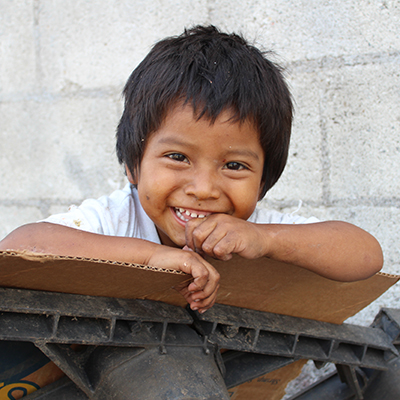
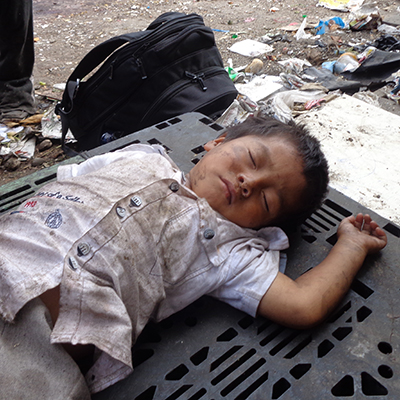
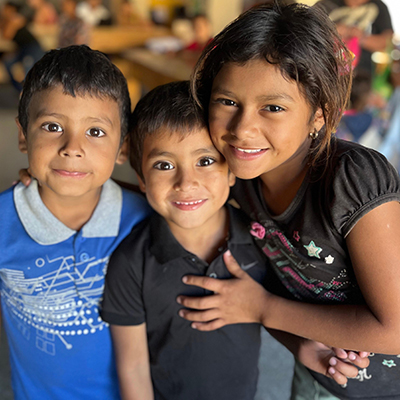
High-risk children or youth are those who are, or are likely to become, street-connected.
They are identified through a series of risk factors in their lives, which have been highlighted as key drivers to ending up on the streets.
At Street Kids Direct, we work with projects to identify at-risk children and families so that, in partnership, we can support these families and prevent the children from joining the streets. Our training and support help projects to identify families, whilst our mentoring programme provides an effective tool to reach at-risk children & youth.
Identifying children and youth at-risk
RECURRENT EMOTIONAL ABUSE
MOTHER TREATED VIOLENTLY
NEGATIVE MENTAL HEALTH OF FAMILY MEMBER
ONE OR NO PARENTS
DEATH OF SOMEONE CLOSE
RECURRENT PHYSICAL ABUSE
CONTACT SEXUAL ABUSE
HOUSEHOLD DRUG OR ALCOHOL ABUSE
INCARCERATED FAMILY MEMBER
EMOTIONAL OR PHYSICAL NEGLECT
If a child has four or more of these, they are identified as high-risk and are 250% more likely to contract a sexual infection, 4600% more likely to use drugs, and 1200% more likely to commit suicide.
The statistics are alarming, but we have shared hope that things can change.
This is why we partner with organisations to identify those children and families at risk. This means we can help to prevent them taking to street life and help them take positive steps towards enjoying life in all its fullness