
WHEN HELPING OTHERS COMES AT A COST!
There is a side to charity work that rarely makes it into the photographs, annual reports or social media posts.
Sometimes, helping vulnerable people means working in places where doing good carries a very real personal risk.
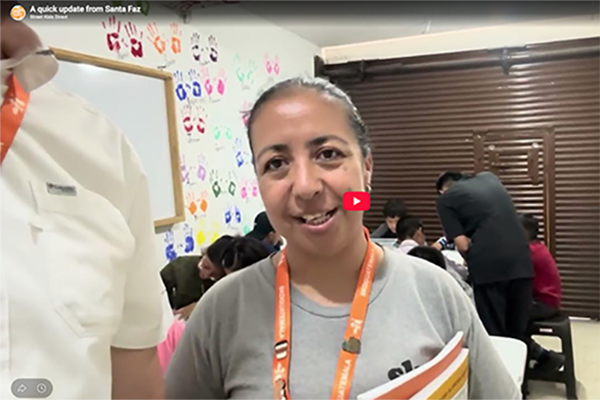
Recently, one of our team in Guatemala received death threats. The threats included specific references to her family and to children attending one of our mentoring centres.
We had no choice. The centre was immediately closed while we investigated the threat and worked to ensure the safety of our staff and children.
Thankfully, after a week, the situation was resolved, and the centre reopened. But the experience made me reflect again on the risks faced by people working with vulnerable communities around the world.
According to the Aid Worker Security Database, 1,187 aid workers were killed, wounded, kidnapped or detained worldwide during 2025. Among them, 350 lost their lives.
Of course, many of these incidents occurred in major conflict and humanitarian crisis zones, and our situation in Guatemala is very different. But behind every statistic is a person who chose to go to a difficult place because someone there needed help.
For organisations working in communities affected by gangs, violence, extortion and organised crime, risk management cannot be an afterthought.
They are often the people who carry the greatest risk. They live in the communities long after international visitors have gone home. Their children and families live there too. Yet, day after day, they continue turning up because they believe vulnerable children deserve something better.
Closing our centre for a week was disappointing, but it was the right decision. No programme is more important than the safety of the children and staff entrusted to our care.
The doors are now open again, the children are back, and the work continues.
And perhaps that is one of the quieter forms of courage in charity work: not the absence of fear, but the willingness to keep serving wisely when the risks are very real.
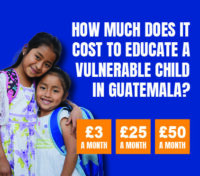
Educate a Child
CLICK HERE to find out the answer and how you could help educate a child at risk in Guatemala today.
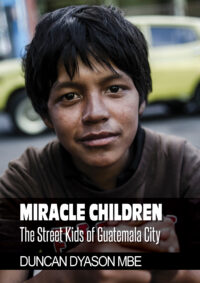
Miracle Children
This second edition of Duncan´s award-winning book follows his early life and Christian conversion, followed by his call to Christian ministry and to work with street children in Guatemala.
Now available on Amazon in paperback, hardback and to download to Kindle devices.
Also available in Spanish.